
***Last updated June 2026***
By VibeIncome, an online business expert with 8+ years of experience.
Affiliate marketing is quickly becoming a favourite way to build passive income streams, and with the digital landscape changing so fast, it’s more important than ever to stay on top of what’s coming up. The trends heading into 2026 look really promising, but they also bring some challenges worth preparing for. From AI-driven tools to authentic content, I’ll walk you through the future trends that can help shape your affiliate marketing game and keep you one step ahead.
Why Keeping Up with Affiliate Marketing Trends in 2026 Matters
Affiliate marketing isn’t just about tossing up some links and hoping for clicks. The big shifts in technology, search, and consumer habits are shaping the way marketers build relationships and drive sales. With more businesses moving online and digital competition heating up, understanding how the affiliate world is changing gives you an edge.
Staying in the know helps you pick smarter strategies, avoid time-wasting tactics, and connect with the right audiences. In 2026, new regulations, privacy updates, and better tracking tech are all expected to play a role. Getting to grips with emerging trends now can save you from scrambling to catch up later.
Major brands and solo marketers are finding huge wins from early adoption. Some sources, like Statista’s latest affiliate spend data, suggest the global market could approach $20 billion by 2026. It just makes sense to update your approach and tap into that growth.
Lucky for me, I work within the Wealthy Affiliate platform and in October 2026 they did a massive overhaul to not only keep up with, but truly get ahead of the trends and fully integrate the most helpful parts of AI available when it comes to building out an online business. There is no getting left behind when you choose a platform so committed to staying at the top of their game!

The Rise of AI and Automation in Affiliate Marketing
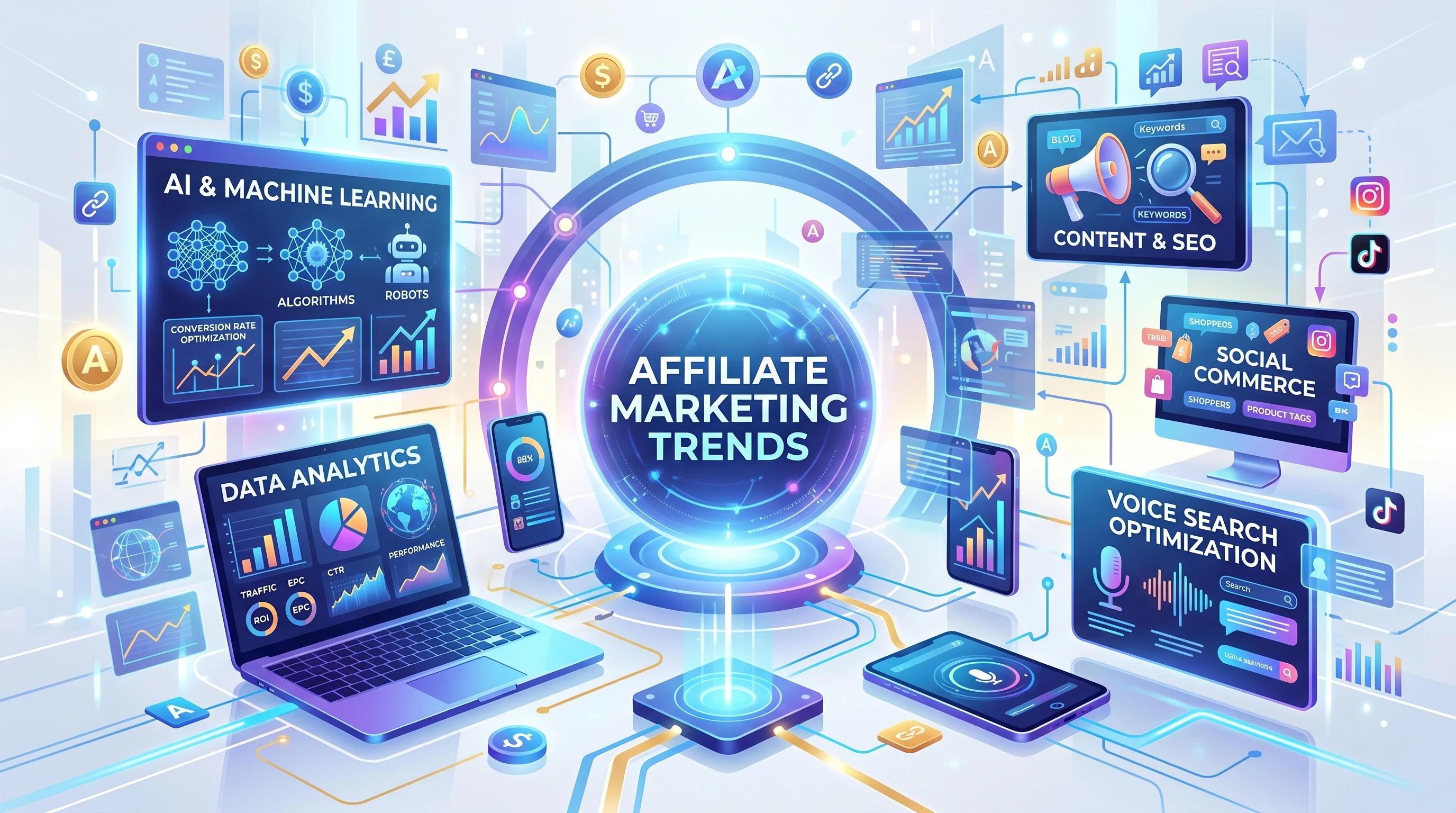
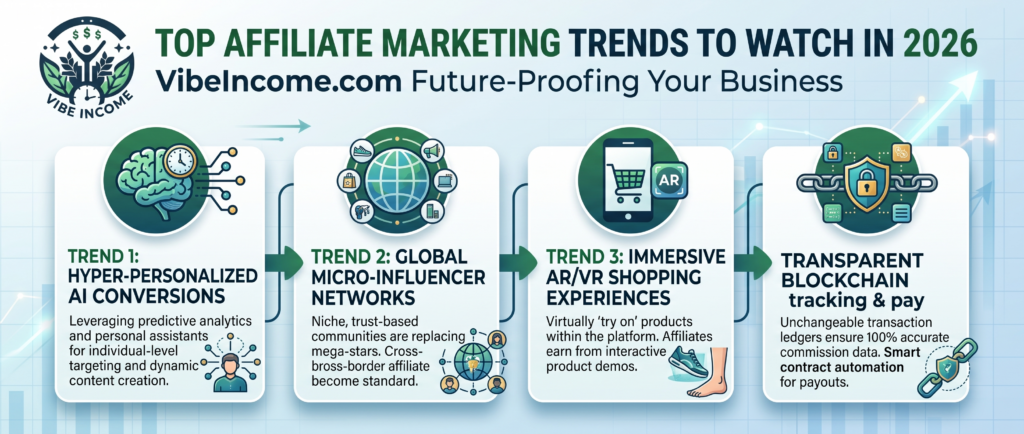
AI isn’t a far-off sci-fi idea anymore. It’s in almost every tool we use. By 2026, automation will reshape how affiliates choose products, create content, and manage campaigns. Here’s how AI is changing the affiliate world:
- Personalized Content: AI tools help you segment your audience, creating product suggestions that feel tailored and genuine.
- Campaign Optimization: Machine learning can spot what works best, helping fine-tune your email sequences, landing pages, and ad spends.
- Chatbots & Assistants: Automated support tools are guiding shoppers, recommending affiliate products, and answering questions around the clock.
Platforms with strong AI tools let you move faster, skip unnecessary errors, and free up your time for the creative side of marketing. If you haven’t tried automation platforms like Jasper, Surfer SEO, or AI-driven sales assistants, it’s worth exploring how they can lighten your workload and help you focus on strategies that make a real impact.
Emphasis on Authenticity and Transparency
People are getting really good at tuning out ads and spotting forced sales. In 2026, trust and transparency aren’t just nice add-ons; they’re super important for making affiliate marketing work. Search engines and social platforms keep updating rules, so clear disclosures and straightforward language are more likely to rank well and earn reader trust.
- Clear Disclosures: Using plain, open statements to reveal affiliate relationships makes readers feel respected and informed.
- Genuine Reviews: Original content backed by personal experience goes further than generic list posts. Giving honest details about how you actually use a product makes a big difference.
- Community Building: Brands are rewarding affiliates who show up online, interact with their audience, and offer useful advice, rather than just dropping links everywhere.
Honest, relatable storytelling works for building loyal followers. I’ve seen better results when I share how I personally use products and am upfront about both upsides and downsides. This style not only keeps people coming back but also leads to more conversions in the long run.

Content Diversification: Going Beyond the Blog Post
For years, longform blog articles ran the show. Heading into 2026, the best results are coming from marketers who branch out across a few different content formats. Mixing it up with video, audio, and interactive tools is grabbing the attention of new and existing audiences.
- Video and Livestreaming: Platforms like TikTok, YouTube Shorts, and live events now make it super easy to demo products, answer questions, and drive real engagement.
- Podcasts: Audio content spreads recommendations casually, letting you reach people while they drive, work out, or clean the house. Podcast interviews with industry insiders can boost your reputation and expand your reach.
- Downloadables & Interactive Guides: Checklists, calculators, and short quizzes make it fun for readers to interact, increasing the odds that they’ll remember your recommendation and actually take action.
Each channel supports different learning and buying styles. Repurposing your best blog tips into a quick Reel, infographic, or podcast clip can stretch your reach much further than sticking to just one format. Experimentation is key to finding what connects with your audience, so don’t hesitate to try new content types or collaborations with other creators.
Smarter Tracking, Attribution, and Data Privacy
The era of third-party cookies and wild-west tracking is fading. By 2026, privacy laws and platform updates are forcing affiliates to get smarter about how they measure clicks, conversions, and user journeys.
- First-Party Data: Collecting info with opt-in forms such as email or SMS is replacing reliance on cookies. Building your own audience database is more valuable than ever.
- Better Attribution Models: Multi-touch attribution tools can show which part of your funnel does the selling, whether it’s email, an organic post, or a referral link.
- Compliance Tools: Following privacy regulations such as GDPR and CCPA isn’t just good form. It protects your business from fines and penalties, and builds trust with your audience.
Privacy-first marketing is here to stay. Looking for affiliate programs that support first-party tracking, and getting comfortable with analytics dashboards, makes campaign performance much easier to understand. If you want to go deeper, you can check out privacy resources from industry groups or invest in compliance plugins for your website.
Prioritizing Microinfluencers and Smaller Niche Communities
Big partnerships with major influencers still work in some spaces, but smaller “microinfluencers” are making a splash. These folks often reach fewer people, but their recommendations feel more personal and trustworthy.
- Engaged Audiences: Niche communities such as fitness, travel, or gaming trust creators who share targeted advice and real-life examples.
- Higher Conversion Rates: People are more likely to buy from creators they’ve built a connection with since the pitch feels less salesy.
- Easier Partnerships: Smaller influencers are open to creative deals and tailored promotions versus big mainstream campaigns.
It’s a good move to partner with community-focused microinfluencers for product launches or reviews. Sometimes a single story, review, or case study can carry more weight than a blast-your-message-everywhere approach. Getting to know these creators personally and building strong relationships can make your promotions even more effective.
Building For Voice and Emerging Search Platforms
Traditional search is changing quickly. Smart speakers, voice assistants, and even visual search with AR (augmented reality) are moving people past Google’s regular blue links. Affiliates getting ready for 2026 are learning the tech and adapting their SEO to stand out.
- Voice Search Optimization: Writing content in a conversational way and targeting “question-style” queries matches how people speak to assistants like Alexa or Google Home. This means using natural language and addressing common questions directly.
- Preparing for Visual and AR Shopping: Visual search tools now let people snap a photo and instantly shop, so including strong product images, alt text, and easy navigation is key. Rich snippets with product details help too.
Thinking about how users actually talk to tech, and not just how they type, helps content show up in more places and reaches buyers earlier in their decision process. Being early on these platforms opens up new opportunities to grab search traffic that others are missing.
Common Challenges in Affiliate Marketing for 2026 (And How to Tackle Them)
New tools and trends sound exciting, but they also bring their own set of roadblocks. These are some areas where I’ve hit bumps, along with what’s worked to smooth things out:
- Tracking & Attribution Changes: When tracking gets tougher, shift to building opt-in lists and double down on relationship-based trust for recurring sales.
- Changing Algorithms: Social and search algorithms keep getting updated. Regularly review your analytics and adapt quickly; mix up your posting schedule, format, or platform as needed.
- Oversaturated Niches: Standing out in crowded spaces by sharing personal stories and offering real value (not just generic “best of” lists) delivers better results.
- Information Overload: With so many tools and trends, choose just one or two to test at a time. Focus on what actually solves a need in your content or workflow.
Don’t be afraid to revise your approach regularly. Keeping an eye out for algorithm shifts and staying sharp with data will help you bounce back quickly from setbacks. Always place your audience’s experience at the center of your decisions.
How to Choose the Right Affiliate Programs in 2026
Getting picky about the affiliate programs you join pays off. Look for a few things before jumping in:
- Transparent Commission Structure: Clear rules about payouts, minimum thresholds, and refund impacts help you plan income better. Avoid programs with hidden terms or unclear payment policies.
- Solid Reporting: Programs with real-time dashboards and first-party data give you the info you need to grow and improve your campaigns.
- Ethical Standards: Brands that prioritize compliance and customer support are easier to work with and reflect well on your reputation.
Frequently Asked Questions
Here are a few questions that often come up from people learning about future affiliate marketing trends:
Question: How will AI make affiliate marketing easier in 2026?
Answer: AI can handle repetitive jobs like segmenting your audience, suggesting new products, and even generating draft review posts. This leaves you with more time to connect with your audience and brainstorm fresh content ideas. It also allows for quicker testing and optimization, making your testing process smoother and more efficient.
Question: What’s the best way to keep up with new affiliate marketing trends?
Answer: Subscribe to a few reputable marketing newsletters, listen to weekly industry podcasts, and try connecting with fellow affiliates in online communities and forums. Following leaders in the affiliate space on social media can also give you quick insights into what’s changing in real time.
Question: Are certain affiliate niches getting too competitive to break into?
Answer: While some spaces do get crowded, finding a smaller sub-niche and offering unique, personal advice or stories can still make your content pop. Focusing on quality and a unique point of view can help you carve out your own space, even in markets with lots of competition.
Final Thoughts
Getting ready for the affiliate marketing landscape of 2026 means embracing new tools, staying honest and authentic, and always putting relationships first. Whether it’s using AI, trying out new content formats, or building trust with microcommunities, small changes now can lead to much bigger results as the market continues to grow.
Experiment, learn from what works (and what doesn’t), and keep your finger on the pulse of this fast-changing industry. The future looks bright for affiliates who combine creativity with smart planning and a willingness to adapt. Good luck, and here’s to thriving in the affiliate world of 2026!
Thanks for reading! If you enjoyed this article please leave us a comment and check out some of our others! E-mail is monitored twice weekly if you would like to contact us with any content requests, questions, or advertising inquiries please do so at contact@vibeincome.com
last update: June 2026 – please feel free to request another update via e-mail if you feel new information may be available!
About The Author
