

***Last updated June 2026***
By VibeIncome, an online business expert with 8+ years of experience.

Social media can be a game changer when you’re looking to build up and keep affiliate traffic flowing. From quick-win posts to evergreen content, social platforms offer loads of ways for affiliate marketers to connect with their audience and inspire clicks. Instead of relying just on search engines, expanding into social channels grows your brand, brings fresh visitors, and keeps your affiliate business ticking over even when algorithms change elsewhere. One other great addition is the fact that it helps you build an audience you can keep getting your content out in front of – without them having to do another relevant google search or literally type in your website. Here are some practical ways you can use social media to boost and sustain your affiliate traffic in a way that’s down-to-earth and beginner friendly.
Why Social Media Matters for Affiliate Traffic
Social media brings your affiliate marketing right to where people hang out online. Channels like Instagram, TikTok, YouTube, Facebook, and even Pinterest attract hundreds of millions, sometimes even billions, of users every month. Unlike traditional SEO, social media traffic isn’t all about ranking on Google. Instead, it’s about engagement, relationships, and building a crowd that’s ready to click your links and buy the products you recommend.
Many affiliate programs and networks even encourage partners to promote their links via social, knowing how much organic reach and direct connection you can get. With the right approach, you can tap into trends, join conversations, and craft content that gets attention much faster than waiting on organic search. Plus, since social media is always changing, there’s usually a fresh opportunity right around the corner for affiliate campaigns.
Occasionally, social media can bring even more traffic than traditional methods. If you keep an eye on analytics, you might spot when a post or video goes viral for your niche, leading to a sudden influx of interest, clicks, and commissions. This makes social a key part of any allinone affiliate marketing strategy.

Setting Up for Success: Picking Your Platforms
Not every social platform is right for every affiliate marketer. Some products work best with flashy visuals, making platforms like Instagram and TikTok the go-to pick, while others do great in Facebook groups or on YouTube channels that get into tutorials in more detail. I look forward to using the new Social Media recommendations and integrations that will be available on the brand new Wealthy Affiliate Platform when they come out early October!
- Instagram: Ideal for eyecatching photos and short videos. Great for beauty, fashion, health, and tech niches.
- Facebook: Good for building groups and communities, sharing longer posts, or targeting older demographics.
- YouTube: Video reviews, unboxings, and how-tos can bring in strong affiliate sales and rank well for a long time.
- Pinterest: Best for DIY, recipes, home decor, and lifestyle verticals. Pins stick around for months or even years.
- TikTok: Fast growing, ideal for short, viral clips. A solid place if your audience is younger and loves quick tips.
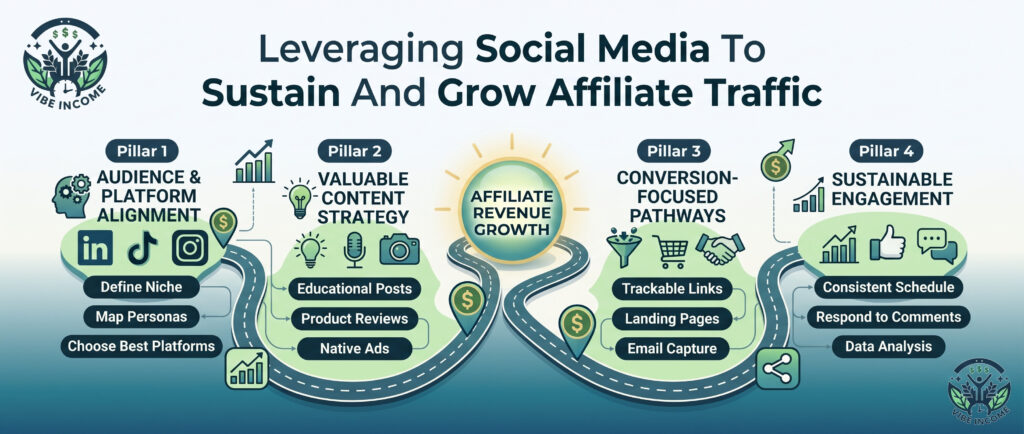
I recommend picking one or two platforms at first, so you don’t get overwhelmed. Focus lets you get to know your audience and the kind of content they love best. By zeroing in on just a couple of platforms, it becomes much easier to test what works and avoid burnout from trying to be everywhere at once.
Remember, each platform has its own style. Instagram is super visual, Facebook loves conversations and communities, YouTube is all about video depth, and Pinterest thrives on inspirational images and guides. TikTok rewards quick wit, fun, and bite-sized info. Think about your strengths and play to them!
Building Your Brand and Audience for Affiliate Promotion
People are a lot more likely to click your links if they know and trust you. Building a brand on social media isn’t just about cool graphics. It’s about consistency, an authentic voice, and sharing helpful content that really speaks to your niche. Here’s how I’d approach it:
- Develop Your Unique Style: Stick to colors, fonts, images, and phrases that your followers start to associate with you. A unique look helps you stand out and keeps people coming back.
- Post Consistently: Regular posting keeps your account active and top of mind. Use scheduling tools like Buffer or Hootsuite to plan ahead. Batch content creation also helps you save time.
- Get Involved: Respond to comments, answer questions, and interact with your audience so you’re seen as approachable and legit. Engaged followers are more likely to trust your recommendations and click on your affiliate links.
- Be Real: Show both your successes and struggles when you share product reviews. This honesty builds loyalty and trust with your audience—it boosts your reputation.
As your personal brand grows, you might stumble upon opportunities like brand sponsorships, influencer partnerships, or being invited onto podcasts or panels. The stronger your social presence, the greater your chance to mix in some variety and reach broader audiences for your affiliate links.

Creating Social Content That Drives Affiliate Clicks
Most affiliate marketers want to know how to get people from social media to their affiliate offers. While posting raw affiliate links can sometimes work, especially on Facebook, Instagram Stories, or Pinterest, most platforms work best when you offer value first.
- Reviews and Demos: Show how a product works or how it fits into your daily life. Quick video reviews or photo carousels can give followers a clear picture of what to expect.
- Comparison Posts: Point out the pros and cons of products, helping followers pick what’s right for them. Honest opinions cut through the noise and win trust.
- Lists and Guides: “Top 5” style lists are easy to share and super useful for people making buying decisions—they work well for getting your affiliate links out there.
- Stories and Short Videos: Behindthescenes looks, real user stories, and daily routines featuring affiliate products draw people in. These formats work especially well for emotional connection.
- FAQs: Use a Q&A format to answer common questions or concerns, especially if you spot the same queries showing up in your comments. This makes your profile a go-to resource.
Calls-to-action matter here. Saying “Check the link in my bio,” “Swipe up,” or even dropping a direct link in a YouTube description makes it easy for people to find the products you’re recommending. Make sure your audience knows exactly how to take the next step and try out what you’re suggesting.
It’s a good idea to add creative content types as well—think memes, challenges, live videos, or even polls that encourage your followers to interact or share your posts. The more eyes on your content, the more opportunities for affiliate clicks.
Common Challenges and How to Tackle Them
Pushing affiliate offers on social media comes with a few speed bumps. I’ve run into a handful of these personally and figured out some workarounds that can keep your campaigns running strong.
- Link Restrictions: Platforms like Instagram and TikTok limit clickable links. Use link trees, smart bio tools (like Linktree or Beacons), or funnel people to your website where you offer more resources.
- Algorithm Changes: Sometimes, what worked yesterday doesn’t work today. Mix up your content formats and keep an eye on what’s trending to stay visible and maintain momentum.
- Disclosure Rules: Every post with an affiliate link needs to be transparent. Adding a simple “#ad” or “affiliate link” tag builds trust and keeps you within the rules. The FTC has specific guidelines on this, which you can check on their official site.
- Negative Feedback: Occasionally, someone might call out “too much promotion.” Mixing helpful and nonpromotional content helps avoid pushback. This keeps your feed more attractive to people who want both value and honesty.
- Spam Concerns: Spammy behavior, like too many links or repetitive posts, can get flagged or shadowbanned. Keeping things real and valuable helps maintain your reach and reputation.
Getting ahead of these challenges means less stress and usually brings better results. Always read platform policies, experiment with new ideas, and listen to your followers to keep your strategy moving forward.
Quick Steps to Grow and Maintain Social Affiliate Traffic
Getting people to your affiliate links is one thing; keeping them coming back is another. Here’s what I found practical for sustainable affiliate traffic over the long haul:
- Optimize Your Social Profiles: Add clear info, a recognizable photo or logo, and helpful descriptions that tell people what you do and why they should follow you. A polished profile sets the tone for everything else you post.
- Use Social Analytics: Check native analytics tools (like Instagram Insights or Facebook Analytics) to see which posts drive the most clicks and engagement. Double down on what works and tweak what doesn’t.
- Run Giveaways and Contests: Partner with affiliate brands or run your own giveaways to encourage shares and bring in fresh eyes. Prizes can be physical products, e-gift cards, or even exclusive bonuses.
- Join Forces: Connect with influencers and other affiliate marketers for shoutouts, content swaps, or joint lives. This can bring your content to totally new audiences and help everyone involved grow faster.
- Refresh and Repurpose: Turn blog posts into Instagram carousels, slice YouTube videos into TikTok clips, or create pin graphics from old guides. Reusing great content saves time and multiplies your reach.
- Stay Consistent: Regular updates help you stay in your followers’ feeds and encourage repeated clicks. Consistency builds habits for your audience and yourself.
Focusing on these basics helps lock in a steady stream of affiliate visitors, making your results more predictable and putting you in a stronger position to weather changes on any one platform. Sometimes, just taking the time to check your analytics or brainstorm with a fellow marketer leads to new creative ideas to keep things fun and fresh for your audience.
Real-World Examples and Use Cases
I’ve seen (and used) loads of different ways to use social for affiliate marketing. Here are a few that work really well for beginners and experienced marketers alike:
- Tech reviewer on YouTube: Unboxing videos, handson reviews, and tutorials bring in affiliate traffic, especially for gadgets and gear. These channels often include affiliate links in descriptions and pinned comments for easy access.
- Fitness influencer on Instagram: Daily workout videos, gear reviews, and highlight stories with affiliate links to clothing or supplements. Throwing in behindthescenes and progress posts makes the journey relatable and trustworthy.
- Lifestyle blogger on Pinterest: Recipe pins or DIY guides that link to affiliate products, driving steady, ongoing clicks. Pins that solve a problem or answer a popular question tend to bring in lasting traffic.
- Coupon or deal sharer in Facebook groups: Timely affiliate links to special promotions with personal stories for extra trust. These posts can spark conversations about getting the best deal or sharing personal experiences with products.
Mixing evergreen content (like guides and reviews) with trending topics or time-sensitive deals helps you reach both new and returning followers, keeping engagement high and getting your affiliate links seen by a wider audience. This approach lets you run quick promotions when opportunities pop up while still having a reliable base of content bringing ongoing clicks.
Frequently Asked Questions
Here are some questions I hear a lot from people trying to grow affiliate traffic using social media:
Question: Can I use affiliate links directly on social platforms?
Answer: Yes, but it depends on each platform’s rules. Instagram and TikTok restrict links in regular posts, but allow them in bios and Stories (after you qualify). Facebook and Pinterest both allow direct links in most cases.
Question: How often should I post affiliate content vs. regular posts?
Answer: A good rule is the 80/20 approach. About 80% helpful or entertaining content, 20% promotional. This usually keeps your audience involved without feeling overwhelmed by ads.
Question: What’s the best way to disclose affiliate relationships on social media?
Answer: Use tags like #ad or #affiliate and add a quick note (like “I earn a commission if you buy through this link”) either in your caption or right in the video/post. Being upfront keeps everything above board and builds trust with your followers.
Final Thoughts
Using social media for affiliate marketing isn’t about spamming links. It’s about making real connections with your followers, sharing genuine reviews, and offering practical recommendations. Pick platforms that match your niche, focus on valuable content, tweak your approach as you learn what your audience likes, and always keep things transparent. It takes a bit of work upfront, but once your system is in place, social media can keep your affiliate traffic humming for the long run; it can even help you weather changes in search or ad platforms without missing a beat.
Thanks for reading! If you enjoyed this article please leave us a comment and check out some of our others! E-mail is monitored twice weekly if you would like to contact us with any content requests, questions, or advertising inquiries please do so at contact@vibeincome.com
last update: June 2026 – please feel free to request another update via e-mail if you feel new information may be available!
About The Author
