
***Last updated August 2026***
By VibeIncome, an online business expert with 8+ years of experience.
Keeping affiliate marketing relevant and profitable can feel like a juggling act, especially as online trends, algorithms, and buyer needs change constantly. One trick I’ve found super useful is making regular updates to my content. In this article, I’m sharing how content updates breathe new life into affiliate sites, keep your audience happy, and help affiliate income stay steady (or even grow!).
Why Content Updates Matter for Affiliate Marketers
Affiliate marketing can move pretty fast. When I first started out, I wrote reviews and how-to guides, hoping they’d earn for years without too much attention. The reality? Products change, some links go out of date, and reader questions shift. If I left things alone, my traffic slipped and commissions dried up.
Staying on top means checking that recommendations are still accurate and improving posts to match today’s search habits. A recent Moz report shows that Google favors websites keeping up with fresh and relevant answers. When you update your best content regularly, Google tends to reward those pages with better rankings. For affiliate blogs, this helps old posts get seen by new visitors, and it keeps the trust high with returning readers.
Updating isn’t just about search engines, though. If a product is discontinued or you’re linking to something no longer available, visitors leave disappointed and might not return. Adding fresh recommendations or new personal experience signals that your reviews are active and genuinely helpful.

Which Types of Affiliate Content Need Regular Updates
Pretty much all kinds of affiliate posts benefit from a refresh, but some need attention more often than others. Here’s where I spend most of my update time:
- Product Reviews: Specs, pricing, and available models change pretty often. I check that my reviews reference the current versions and add any new insights from using the product long term.
- Comparison Guides: “Best of” lists or head to head comparisons need updating as new models launch. Adding or removing products keeps lists honest and helpful for buyers.
- How To Guides: Step by step instructions often depend on platforms, apps, or interfaces. If a tool updates its dashboard, screenshots and processes in my guides might need tweaks.
- Coupon or Deal Pages: Coupon and deal content can go stale in a matter of days or weeks, so these pages benefit greatly from frequent checks.
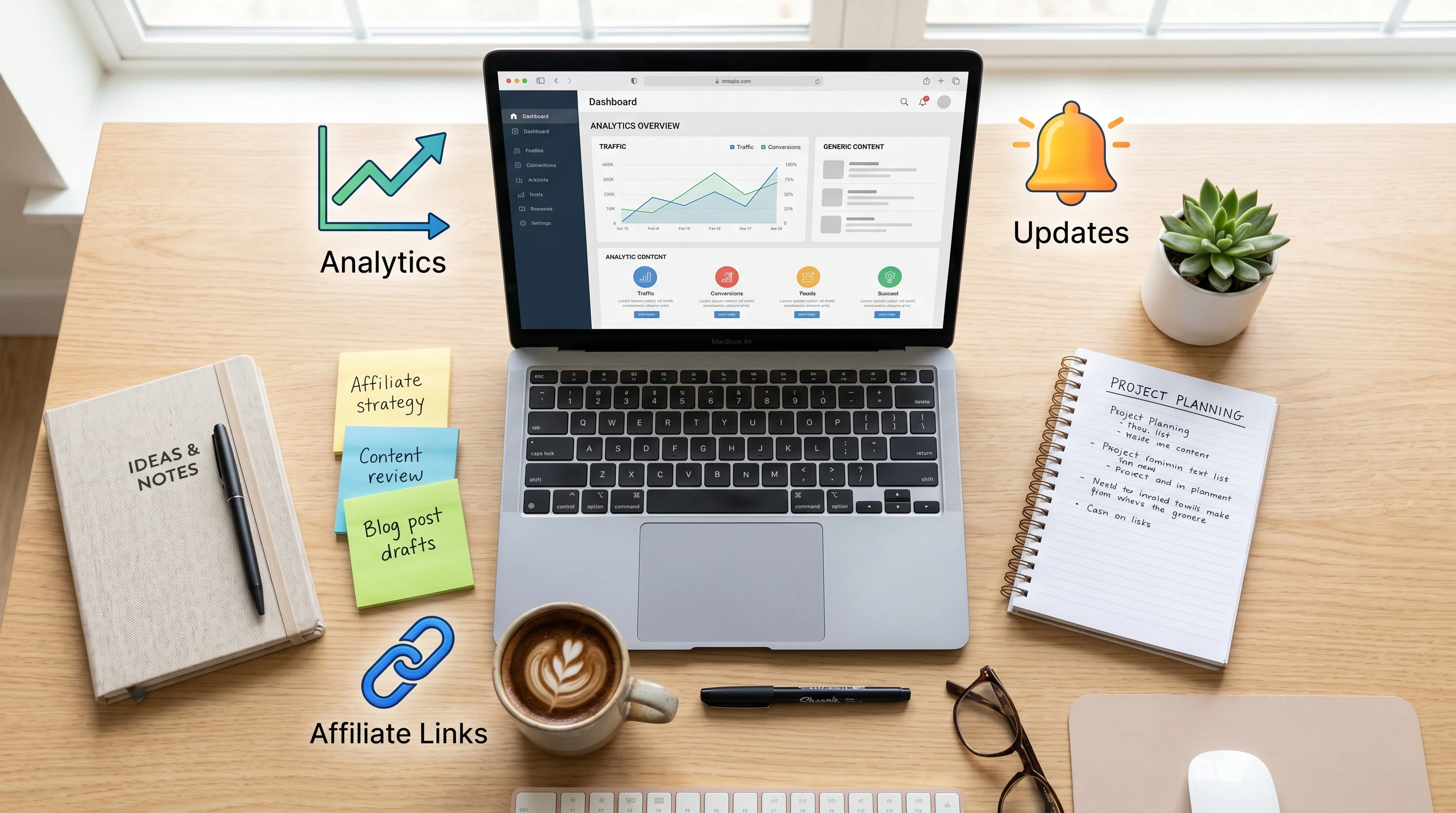
How I Update Affiliate Content for Better Relevance and Earnings
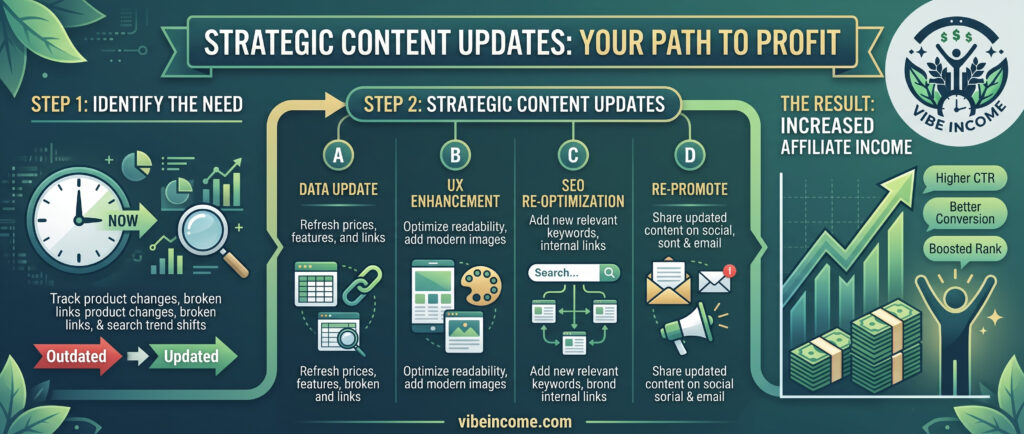
Refreshing content isn’t only about fixing broken links. I usually start with simple updates, but there are a few steps that make a big difference for rankings and income:
- Revisit Keyword Research: Search queries change over time, so I check what people are actually typing today. Adding trending keywords or addressing new questions helps older posts stay relevant. Tools like SEMrush or Google’s Keyword Planner are pretty handy for this.
- Swap Out Old Recommendations: If a product I linked to is discontinued, I replace it with a newer pick or a similar option. I also read customer reviews or try new versions myself to add honest thoughts.
- Add New Insights or Experience: If I’ve used a product longer, I share what’s changed or what works better now. For guides, I mention common new issues or alternative tips that save people time. Real world examples like troubleshooting steps or updated FAQs add trust and keep your content from feeling outdated.
- Update Visuals: Screenshots and product images age quickly, especially for tech or software. Swapping in current visuals instantly modernizes the post and makes it easier for readers to follow along. Making your content visually appealing also keeps visitors on your site longer, which can indirectly improve SEO signals.
- Check and Fix Links: I test affiliate links to see if they’re still live and update tracking codes if programs have moved or changed. Dead links are a wasted opportunity, look bad to visitors, and can stop you from earning commissions.
- Optimize for Featured Snippets: Adding Q&A sections or highlighting practical advice makes posts more likely to show up in Google’s featured snippets. This can bring in extra clicks and boost your authority, even for highly competitive keywords.

Simple Workflow for Staying on Top of Content Updates
Regular updates can sound like a big commitment, but a little organization goes a long way. Here’s a system I use to make it manageable and keep myself motivated:
- Track Key Content: I keep a spreadsheet of top performing affiliate posts and checkin dates. Posts bringing in the most clicks or sales get priority for updates, which helps maximize returns with the least amount of effort.
- Set a Monthly Update Cycle: I try to review three to five key posts at the start of each month. If something major changes (like a product launch or price drop), I bump that post up the list. Setting calendar reminders ensures I don’t forget.
- Schedule Quick Link Checks: Every few weeks, I run a broken link checker (like Broken Link Checker) across my site and replace or fix trouble spots. This keeps the customer experience smooth and ensures I’m not missing any easy commission opportunities.
- Ask for Reader Feedback: Sometimes readers email questions or comments. If I get the same one more than twice, I update the post with a new answer! This feedback loop helps keep my content aligned with what readers really need.
Common Challenges in Updating Affiliate Content (and How I Tackle Them)
- Outdated Product Info: Manufacturers don’t always announce changes clearly. I sign up for product newsletters or set Google alerts for the brands I cover, which helps me spot updates early. In a pinch, I’ll even check popular forums or Reddit threads for user experiences.
- Affiliate Program Changes: Sometimes a product changes networks, offers lower commissions, or ends the program altogether. I check my main affiliate dashboards monthly and swap out links if a program is no longer beneficial. As a bonus, switching to new programs can open up exclusive deals or bonuses.
- Time Crunch: Managing updates for a big content library can get overwhelming fast. Focusing on posts that make the most money or get the most traffic keeps efforts efficient. I also use checklists so I don’t skip anything important, and sometimes dedicate a few afternoons each quarter to deep update work.
- Broken Links: Broken affiliate links are frustrating. Automation tools help, but a manual spot check now and then makes sure nothing slips through, especially on high value pages. Visitors notice broken links fast and are less likely to trust your advice if they run into such issues frequently.
Broken Links
Affiliate links can break without warning. Whether a product is out of stock or the program changes platforms, a non working link means lost commissions. I use link monitoring plugins, but it’s also worth checking retailer sites directly every now and then to double check availability or spot new deals. If you notice that a particular merchant often has out of stock issues, it might be time to explore alternatives to keep your audience coming back for reliable recommendations.
Affiliate Program Changes
Affiliate programs might switch terms or move networks. I regularly check my affiliate dashboards for emails about changes or updates in commission rates. Swapping links quickly and reading the updated terms helps keep my site profitable and trustworthy. Sometimes, these changes even open the door to new affiliate partners who offer better rewards or new products to promote.
Tips for Making the Most of Content Updates
Freshening up content is only the first step. Here are a few ways I get even more out of content refreshes and keep my affiliate marketing strategies sharp:
- Promote Updated Posts: Every time I refresh a key page, I share it on social media or my email newsletter to bring in new traffic and let my audience know about the improvements. Engaging with your community keeps them invested and more likely to trust your future recommendations.
- Repurpose Content: An updated blog post might work as a new YouTube video or a quick tip for Pinterest, reaching fresh audiences with minimal extra work. Combining your updated written content with short video explainers or graphics is a smart way to multiply your reach without doubling your workload.
- Add Extra Resources: Sometimes I link out to new guides, related products, or updated brand FAQs to keep readers engaged and boost SEO. Internal links keep visitors moving through your site, which is both good for user experience and search engine signals. Offering extra resources also shows readers you’re tuned in to their needs and willing to go the extra mile.
Real World Examples: Content Updates in Action
- Seasonal Product Guides: Each year, holiday shopping guides need fresh picks and current discounts. Last winter, updating my “Best Gifts for Tech Lovers” page with the latest gadgets brought a surge in affiliate sales. Seasonal refreshes also give a reason to reshare the content and catch wave after wave of new search traffic.
- SaaS Product Reviews: Popular online software updates fast. When a platform overhauls its dashboard, I add screenshots and demo the new layout in my review. This reassures readers I’m giving them up to date info, not last year’s take. In SaaS spaces, a single update can restore rankings and relevancy instantly.
- Physical Goods: In fitness and health niches, brands release new lines often. Swapping out unavailable sizes or products for new launches helps the buyer adventure go smoothly, keeping visitors happy and commissions rolling in. Your trustworthiness often depends on having up to the minute recommendations.
Frequently Asked Questions
Here are a few things I get asked about most from folks looking to make their affiliate blog last:
How often should I update affiliate posts?
Answer: Every three to six months is a solid starting point, but top earning or high traffic pages might need monthly checkins, especially in fast changing niches.
How do I decide which posts to update first?
Answer: Prioritize pages with the most visits, clicks, or affiliate income. If you notice rankings slipping, bump those to the top of your list too.
Does updating content really improve SEO?
Answer: Yes! Google loves timely, accurate content, and even minor changes signal your site is active and maintained. Many sites see improved rankings and click throughs after updates. Staying consistent with updates keeps your site ahead of competitors who might neglect theirs for months.
Where to Start with Content Updates
Affiliates who keep their content fresh enjoy trust from their readers and search engines alike. Small, regular updates set your site up for long term success. I usually pick one post to update this week—maybe your best review or seasonal guide—and see what a difference it makes for rankings and conversions. Over time, it builds into a habit that keeps affiliate marketing fun, relevant, and rewarding. Remember, your audience relies on you for up to date advice, so those little tune ups pay off in the long run.
Thanks for reading! If you enjoyed this article please leave us a comment and check out some of our others! E-mail is monitored twice weekly if you would like to contact us with any content requests, questions, or advertising inquiries please do so at contact@vibeincome.com
last update: August 2026 – please feel free to request another update via e-mail if you feel new information may be available!
About The Author
