
***Last updated July 2026***
By VibeIncome, an online business expert with 8+ years of experience.
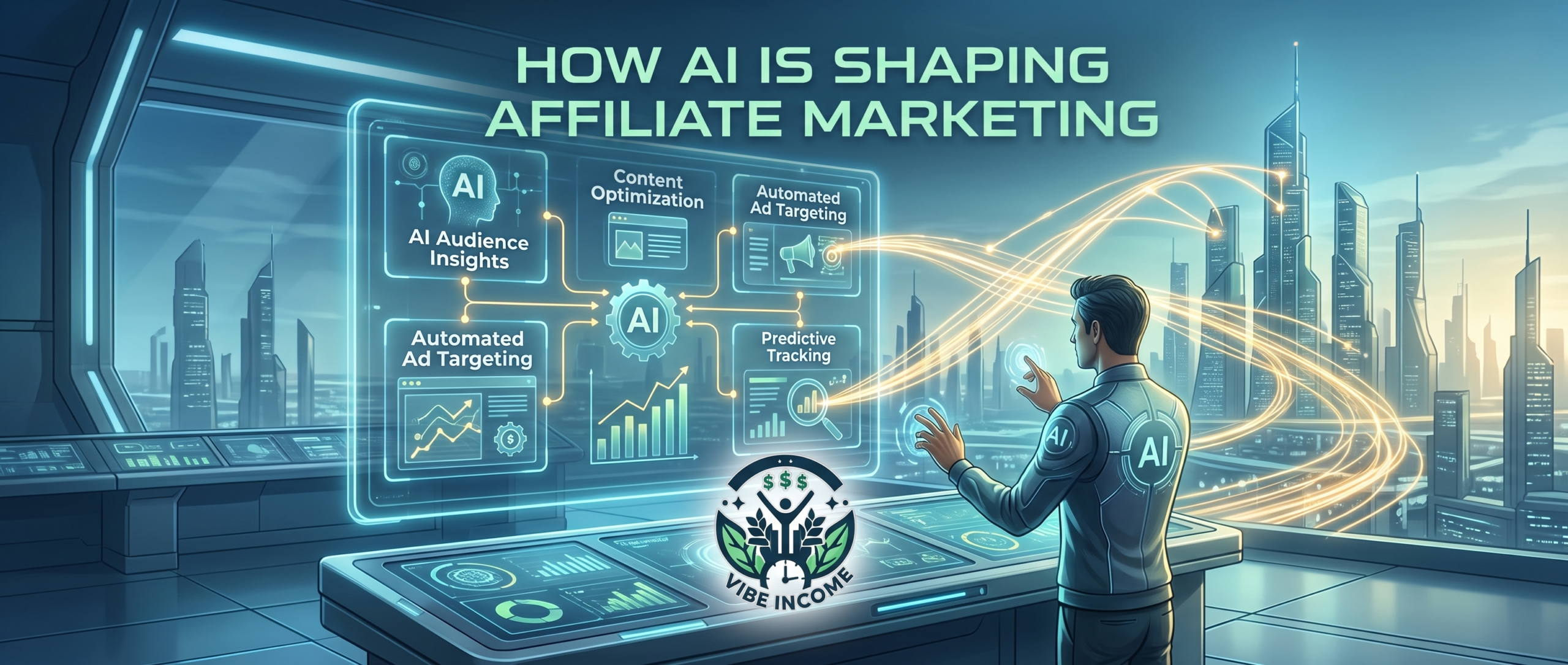
AI is quickly changing how affiliate marketing looks in 2026. Whether you’re hoping to find smarter tools to boost conversions or you’re just curious how machine learning is moving the needle, there are a lot of ways AI is making affiliate work easier, faster, and downright eye-catching. I’ve spent years working with affiliate programs and digital tech, and in this guide, I’m breaking down what’s new and what actually matters for anyone looking to step up their affiliate game with the help of AI.
AI-Powered Changes in Affiliate Marketing
AI has shaken up all kinds of online marketing channels, but affiliate marketing is seeing some really next-level cool effects. I’ve noticed a big increase in smart tools that can personalize offers, segment visitors, and even write content that converts better. Some recent market reports say spending on affiliate programs is climbing past $15 billion, and a big chunk of that goes into new tech. Statista’s affiliate benchmarks shine a light on just how quickly AI is integrating into popular strategies.
AI chatbots and recommendation engines, for example, aren’t just for big ecommerce sites anymore; they’re showing up in smaller affiliate setups too. These tools use everything from natural language processing to advanced machine learning—so they aren’t just guessing anymore. They’re getting pretty accurate with what users want.
Affiliate marketers are now able to automate way more of their campaigns, tone down wasted ad spend, and keep up with trends almost in real time, which is pretty handy.
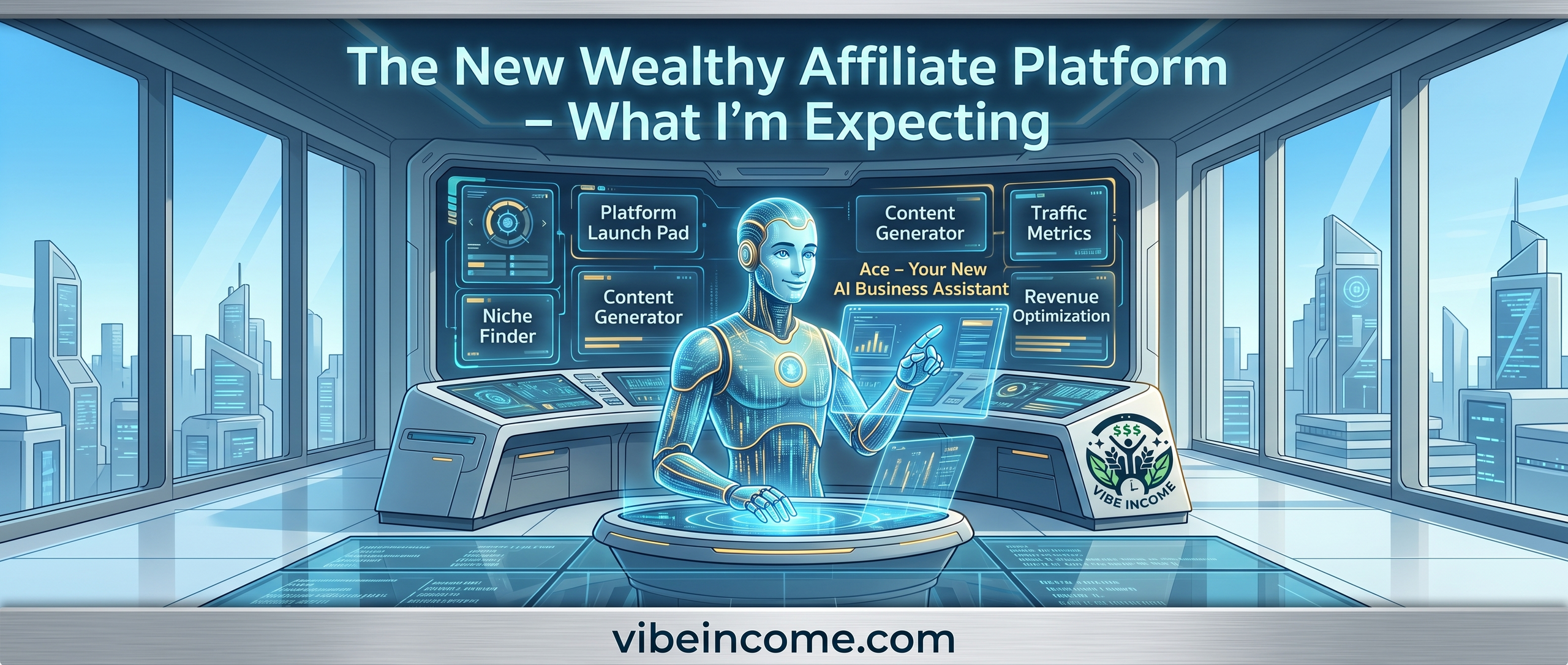
Wealthy Affiliate (the platform I have used for over 9 years now) is diving head first into maximizing AI efficiencies without losing the human touch – their platform is getting a huge replacement (not just a little revamp) to truly integrate all the best parts of AI in October 2026 and I can’t wait to see what they produce!

How AI Is Making Affiliate Marketing Smarter
AI brings more than just automation. What I love most is how these systems learn as they go. Affiliate tools powered by AI now predict what products a user might want to buy next, tweak landing pages on the fly, and even optimize outgoing links with almost no manual work needed. Here are some terms you’ll probably see a lot:
- Predictive Analytics: Uses historical data to guess what an audience is likely to do next, such as which links they’ll click or whether they’re ready to buy.
- Smart Segmentation: Takes all the visitor data you’ve got and splits people into groups that make sense for targeted offers.
- AI Copywriting: Generates ad copy and blog posts using natural language generation, so there’s less staring at a blank screen wondering what to write next.
Some platforms even use AI to monitor for click fraud or unusual traffic in real time, cutting down on wasted commissions or invalid traffic headaches.

Getting Started with AI Tools in Affiliate Marketing
The jump into AI doesn’t have to be huge or expensive. There are loads of entry level solutions built right into networks or third party tools, and many of them offer step by step wizards so you don’t have to be a data scientist to put them to work.
- Pick AIEnhanced Platforms: Networks like Impact or Partnerize now include AI-based reporting, fraud detection, and optimization straight out of the box.
- Try AIPowered Content Tools: Content generators like Jasper or Writesonic can help whip up product reviews and comparison tables that actually read like a human wrote them.
- Experiment with Dynamic Ads: Platforms like AdCreative or even social ad networks offer AI driven creative testing, automatically showing ads more likely to win conversions for you.
- Track Smarter: Use AI analytics dashboards (look for integrations with Google Analytics 4 or similar) to watch which affiliate links, creatives, or pages are performing best.
Putting together these tools can cut campaign setup times way down and often leads to higher conversion rates, since your offers are better matched to the right eyeballs.

Things Worth Considering Before Switching to AI for Affiliate Programs
Even though AI adds a lot of new power to your toolkit, there are some things you’ll want to keep in mind.
- Budget: While some tools are affordable, more advanced platforms can get expensive or charge based on usage. It helps to budget carefully and start with limited trials.
- Learning Curve: Some tools are still a bit technical, so be prepared for a bit of a learning curve, especially if you haven’t used analytics or automation tools before.
- Quality Control: AI-generated content isn’t always perfect. I’ve found it’s best to edit and review everything before it goes live, just to be sure it matches your brand and reads naturally.
- Data Privacy: With more data moving through AI systems, it’s really important to pick vendors that follow GDPR, CCPA, or local privacy rules.
Budget
Starting with free versions or basic trials is how I usually test the waters. Many big platforms tier features so you can unlock advanced AI as your business grows. No need to break the bank at the start. Keep an eye out for hidden usage fees if you’re planning for a lot of website visitors or sending tons of automated emails.
Learning Curve
Even with user-friendly dashboards, it’s normal to spend a few days figuring things out. Support docs and YouTube walkthroughs, though, make the process less daunting. If you’re comfortable with regular affiliate dashboards, you’ll probably be fine moving into AI powered ones.
Quality Control
Autogenerated articles and ad copy save time, but they still need a human touch. I make it a habit to proofread and tweak every AI draft so it flows better and lines up with what my readers expect. It’s also good to ask your network’s policy on AI-generated content because some programs still want manual review.
Data Privacy
This is super important if you’re collecting user info or working in regions with strict privacy laws. Stick with tools that lay out exactly how they use and store your data, and don’t skip the privacy policy updates for your own site.
AI tools aren’t perfect straight out of the gate. Setting smart expectations and getting prepared up front goes a long way toward getting real value out of them.
Advanced Techniques: Leveling Up Your AI-Driven Affiliate Game
After you’ve got the basics down, AI lets you pull off strategies that just weren’t practical before. These are a few techniques that I think are genuinely worth checking out:
Hyperpersonalized Offers: AI segments visitors by behavior, purchase intent, and even predicted lifetime value. This means you can promote pricier products to buyers who are more likely to bite, and save discount focused offers for browsers.
Why This Matters: Visitors see only the stuff they care about, so clickthrough rates go up and returns go down.
Optimal Link Placement: Machine learning tools can A/B test link placement across pages at a scale that’s tough to manage manually. You’ll quickly find out if midarticle buttons or sticky sidebars actually move the needle for your audience.
Why This Matters: You can make data backed changes that directly pump up revenue, instead of guessing.
Predictive Content Planning: Some content calendars now use AI to spot trending topics that fit both your site’s theme and what affiliate programs are about to promote. I use this to queue up content before the big waves hit, getting ahead of competitors.
Why This Matters: You’re publishing at the right time for both Google and affiliate offers, squeezing the most value from each piece of content.
What Roles Does AI Play Across Different Affiliate Niches?
AI tools aren’t just for one type of blog or niche. They’re showing up everywhere:
- Finance Affiliates: Use AI to match visitors with the best credit card or loan product based on real time info and personal browsing behaviors.
- Retail and Ecommerce: Dynamic product feeds update automatically based on inventory, seasonality, and trend analysis using AI algorithms.
- Travel: Custom itineraries and offer bundles get tailored to visitor preferences, improving booking rates while lowering bounce rates.
I’ve seen case studies where autopersonalized shopping guides led to sales jumps of 40 percent or more. Even smaller blogs benefit, especially when AI helps target “long-tail” traffic segments larger competitors might overlook.
Frequently Asked Questions
Here are some quick answers to a few common questions about AI and affiliate marketing:
Question: Does using AI make affiliate marketing too automated or impersonal?
Answer: If you keep an eye on quality and inject your own perspective, AI just cranks up what you do; it doesn’t replace your voice.
Question: Can smaller affiliate sites access AI tools?
Answer: Absolutely. Lots of beginnerfriendly AI tools exist, many of which are free or low cost to try. You don’t need a huge budget to start seeing benefits.
Question: Is there a risk of getting flagged for using AI-generated content?
Answer: As long as you review, edit, and follow the rules of your affiliate programs (plus disclose the use of AI if it’s required), you should be in the clear. It’s always smart to doublecheck with each network’s guidelines.
Key Takeaways for Affiliate Marketers in 2026
AI in affiliate marketing has gone from a nice-to-have bonus to something that can seriously move the needle forward. Smart tools help segment audiences, auto-optimize campaigns, create content faster, and spot growth opportunities that might otherwise be missed. By staying open to new tech and balancing human input with AI speed, affiliate marketers are in a solid spot to win more conversions and stay ahead of popular trends without losing their unique touch.
Trying out a few of these tools and strategies can help track down the right mix that works for your site, audience, and approach. The best results come when you blend AI’s power with your personal creativity and understanding of your audience.
Thanks for reading! If you enjoyed this article please leave us a comment and check out some of our others! E-mail is monitored twice weekly if you would like to contact us with any content requests, questions, or advertising inquiries please do so at contact@vibeincome.com
last update: July 2026 – please feel free to request another update via e-mail if you feel new information may be available!
About The Author
